George Orwell: 1984 – eine experimentelle Buchgestaltung
Ada Nele Bayazit
Bachelorthesis
/
Wintersemester 2024/2025
Projektbetreuung:
Prof.in Annette le Fort / Prof. André Heers
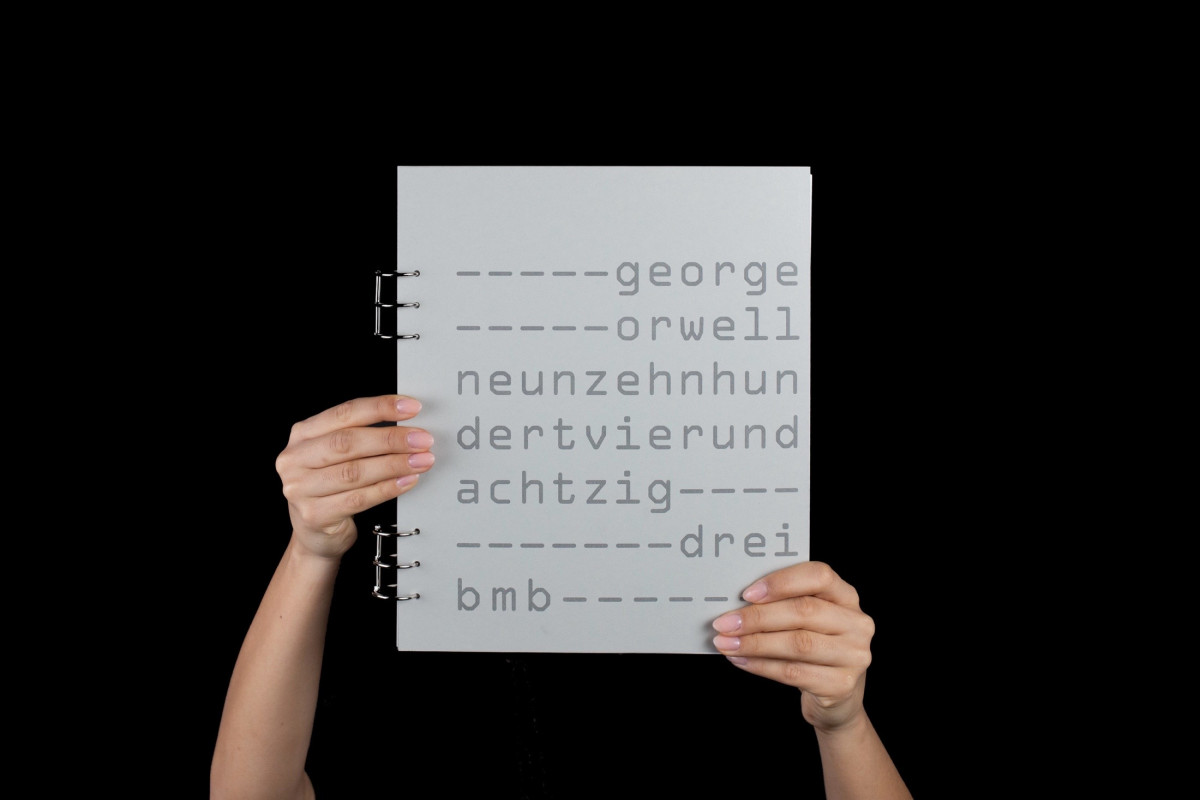
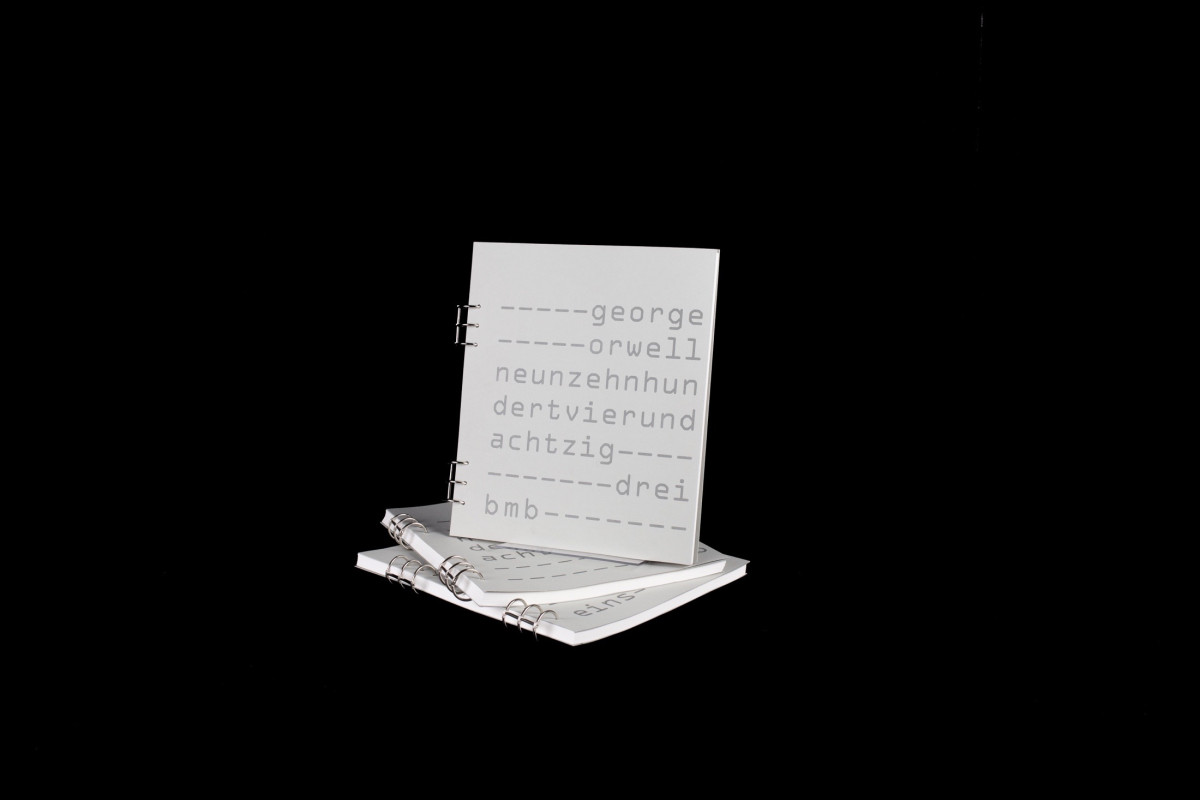

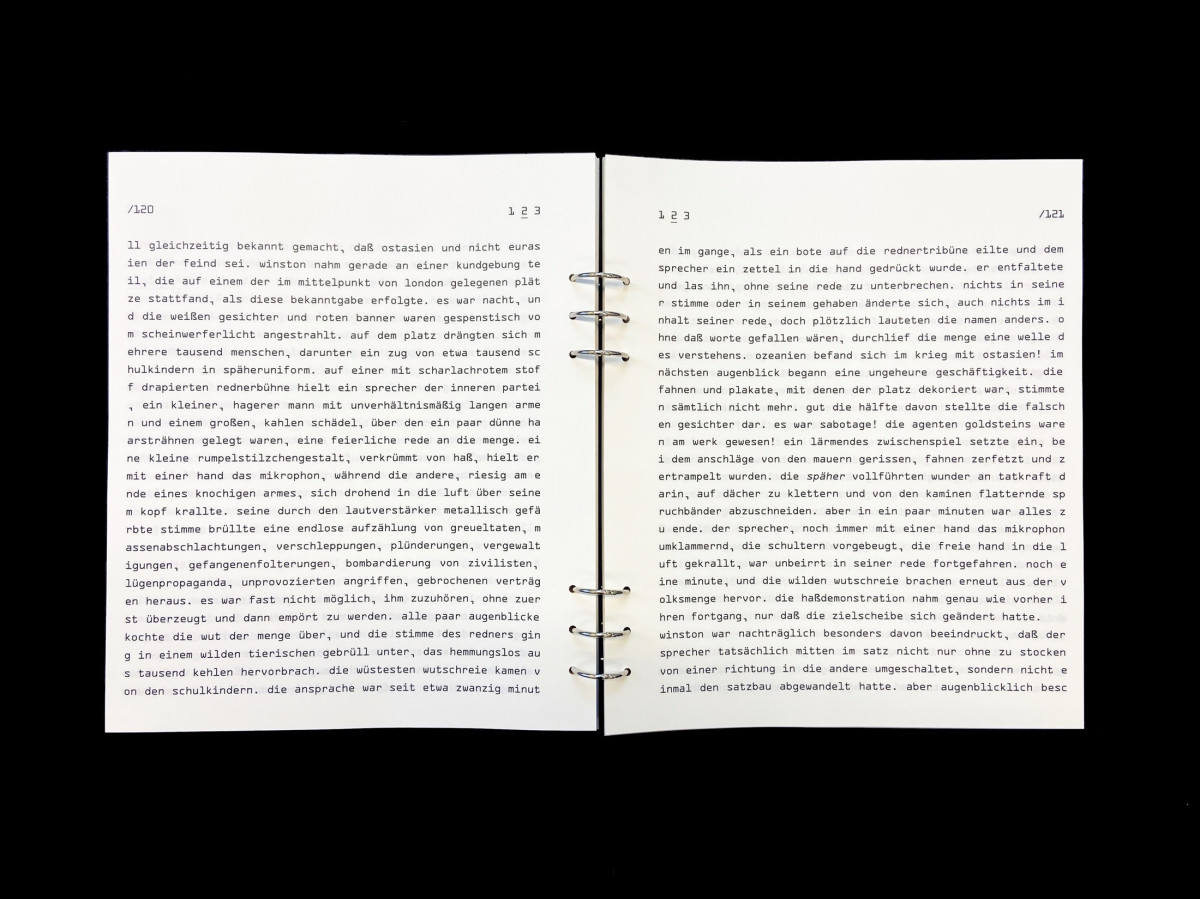
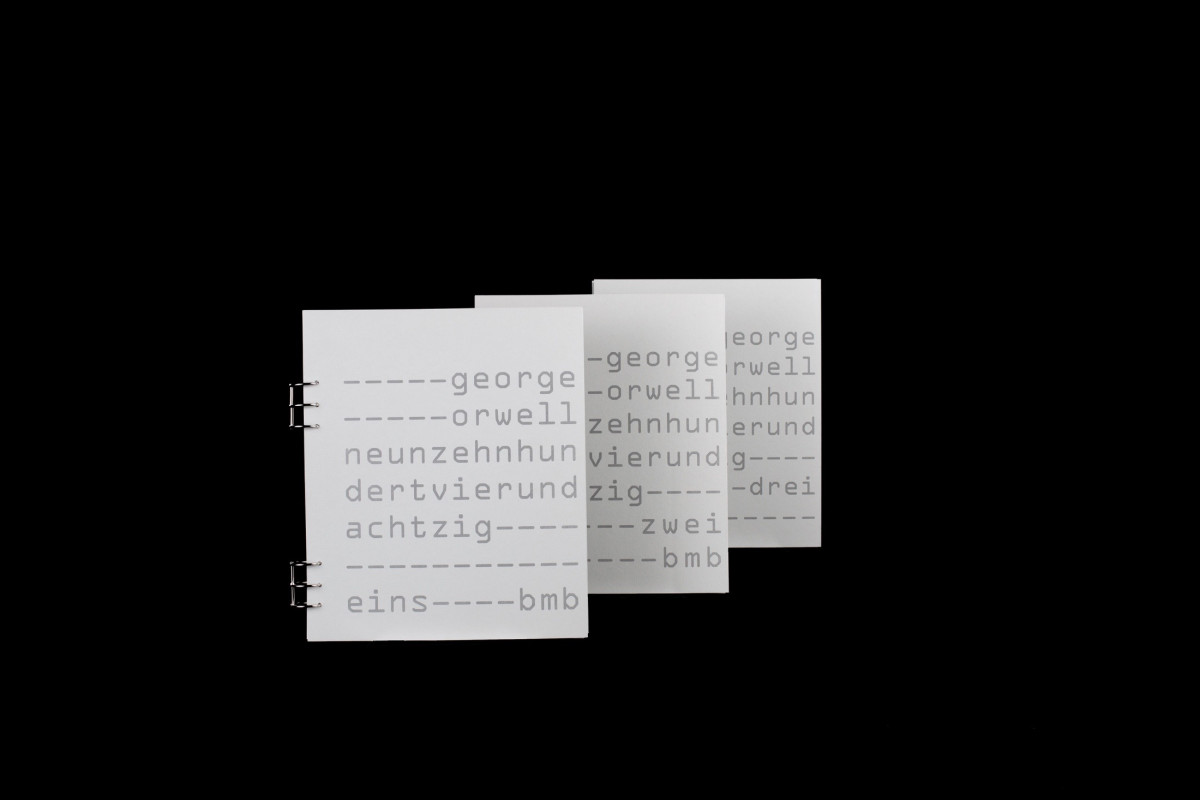
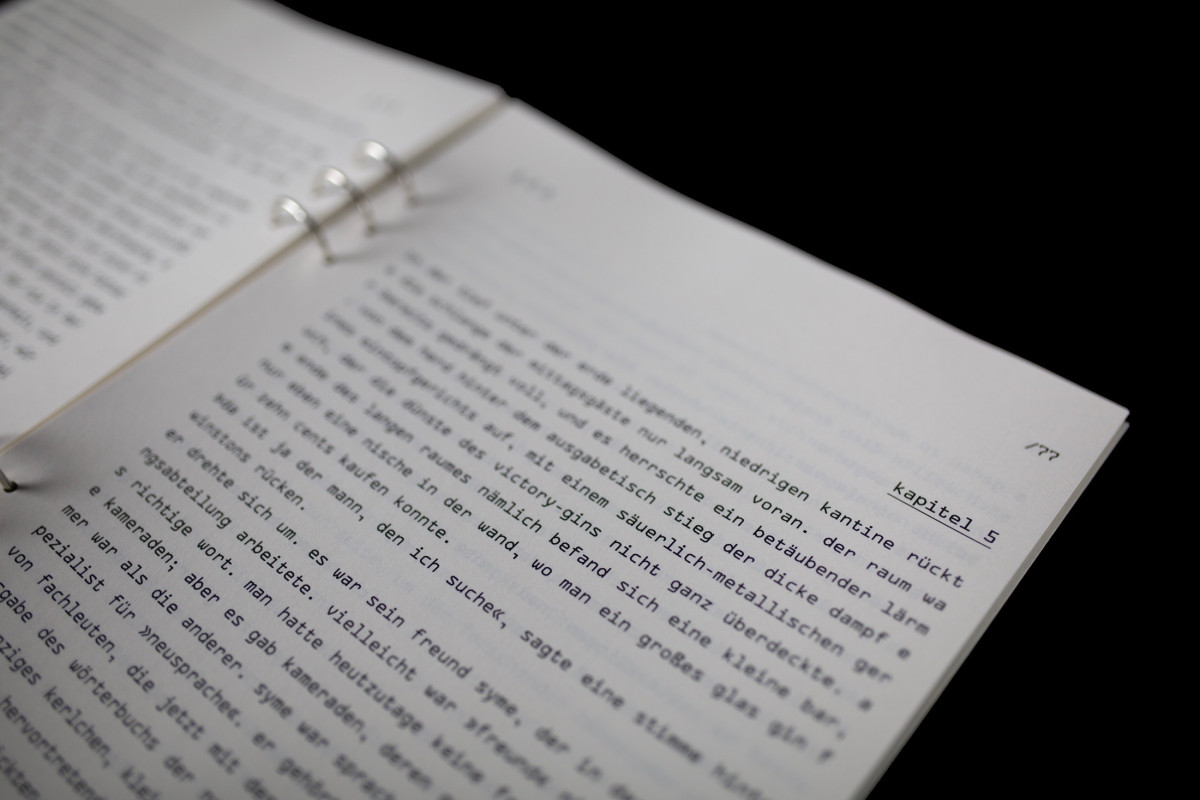
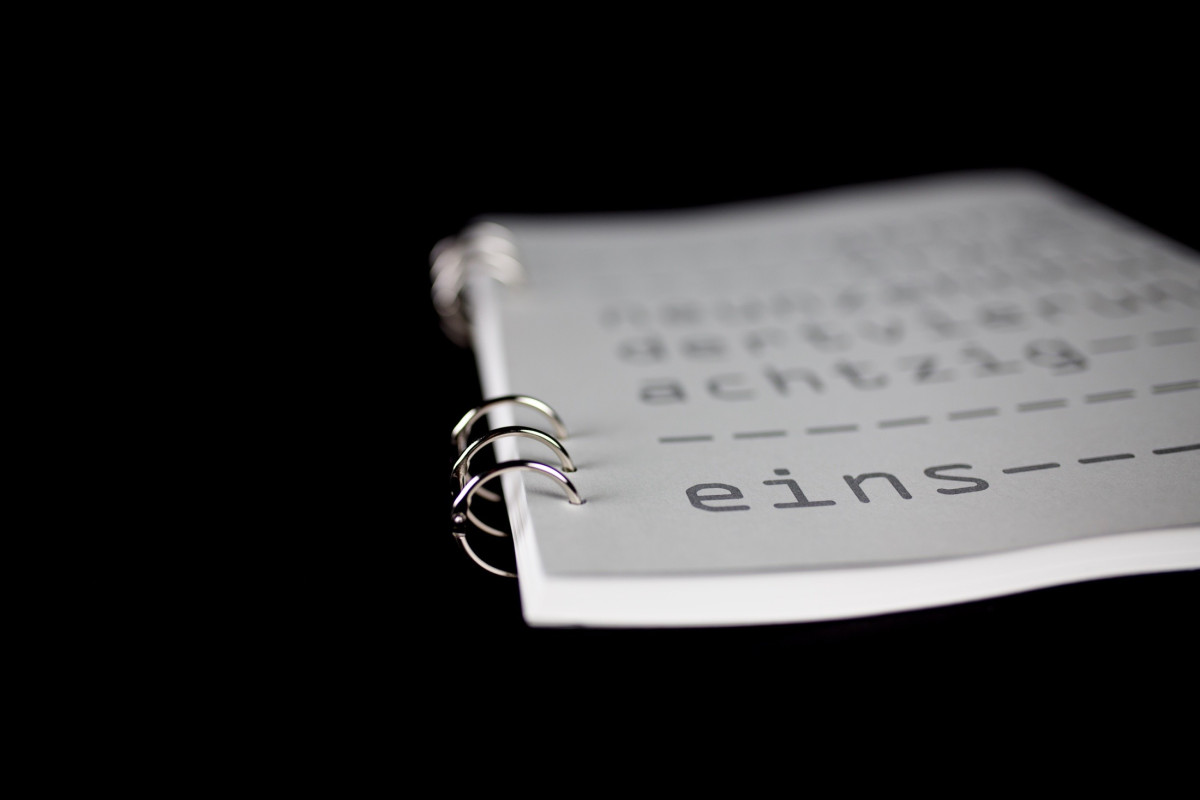
Die experimentelle Neugestaltung von George Orwells 1984 untersucht, wie Macht durch Wiederholung, sprachliche Normierung und typografische Kontrolle wirkt. Nicht Überwachung oder Gewalt stehen im Zentrum, sondern die visuelle Umsetzung ideologischer Kontrolle. Wiederholung wird formalisiert: Raster, Reduktion und minimale Variation prägen das Layout. Typografische Elemente wie Linien, Buchstaben oder Leerstellen übernehmen die Funktion sprachlicher Konditionierung. Drei Buchteile folgen demselben Grundgerüst mit kaum merklicher Verschiebung – wie Propaganda, die sich stetig wiederholt. Illustrative Mittel werden bewusst vermieden. Das Buchobjekt wird selbst zur Aussage: als materielle Manifestation eines Systems, das durch Wiederholung Erinnerung tilgt und Wahrheit konstruiert. 1984 wird so zur körperlich erfahrbaren Lektüre – eine Reflexion über Kontrolle, Macht und die manipulative Kraft typografischer Gestaltung.
The experimental redesign of George Orwell’s 1984 explores how power operates through repetition, linguistic normalization, and typographic control. Surveillance and violence are not the focal points – instead, the visual implementation of ideological control takes center stage. Repetition is formalized: grids, reduction, and minimal variation define the layout. Typographic elements such as lines, letters, and spaces take on the role of linguistic conditioning. The book is divided into three parts, each following the same basic structure with barely perceptible shifts—like propaganda that endlessly repeats itself. Illustrative elements are deliberately avoided. The book becomes a statement in itself: a material manifestation of a system that erases memory and constructs truth through repetition. 1984 thus becomes a physically tangible reading experience – a reflection on control, power, and the manipulative force of typographic design.