„Erinnerung, die nicht endet“
Anastasiia Hurska
Masterthesis
/
Wintersemester 2024/2025
Projektbetreuung:
Prof. Piotr Nathan, Prof. Dr. Norbert M. Schmitz
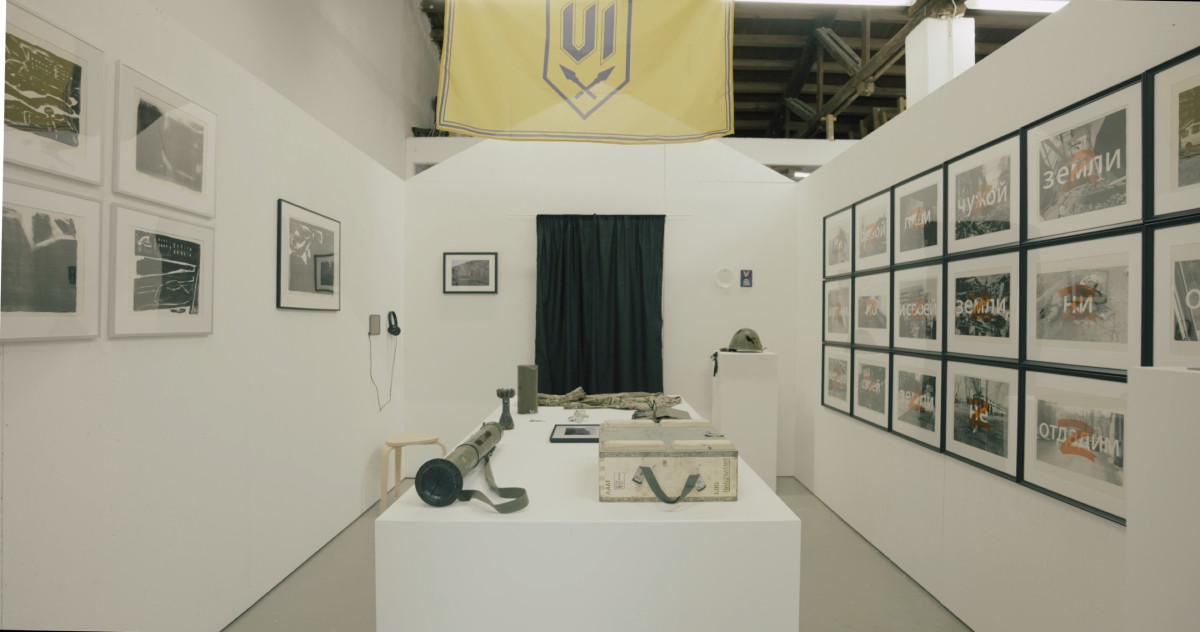
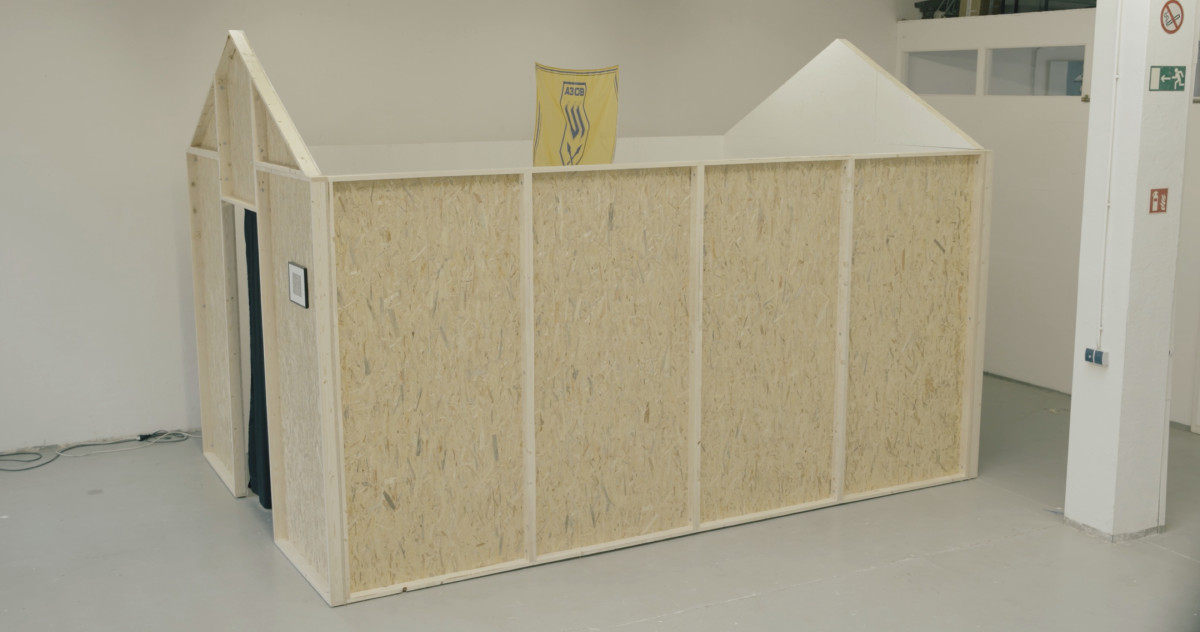
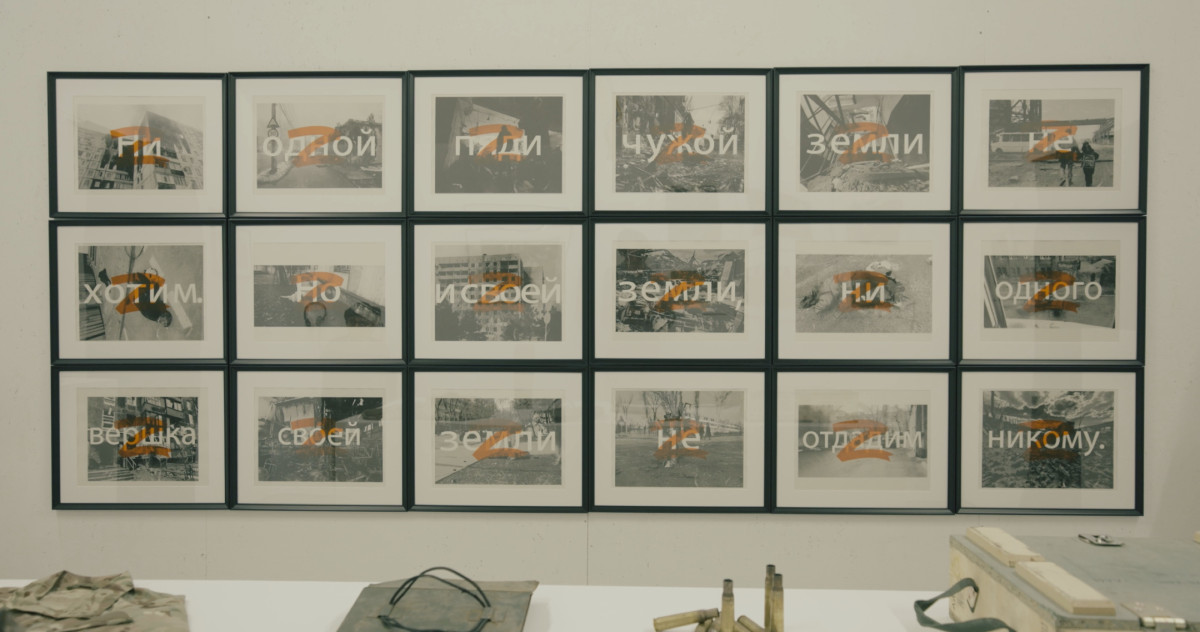
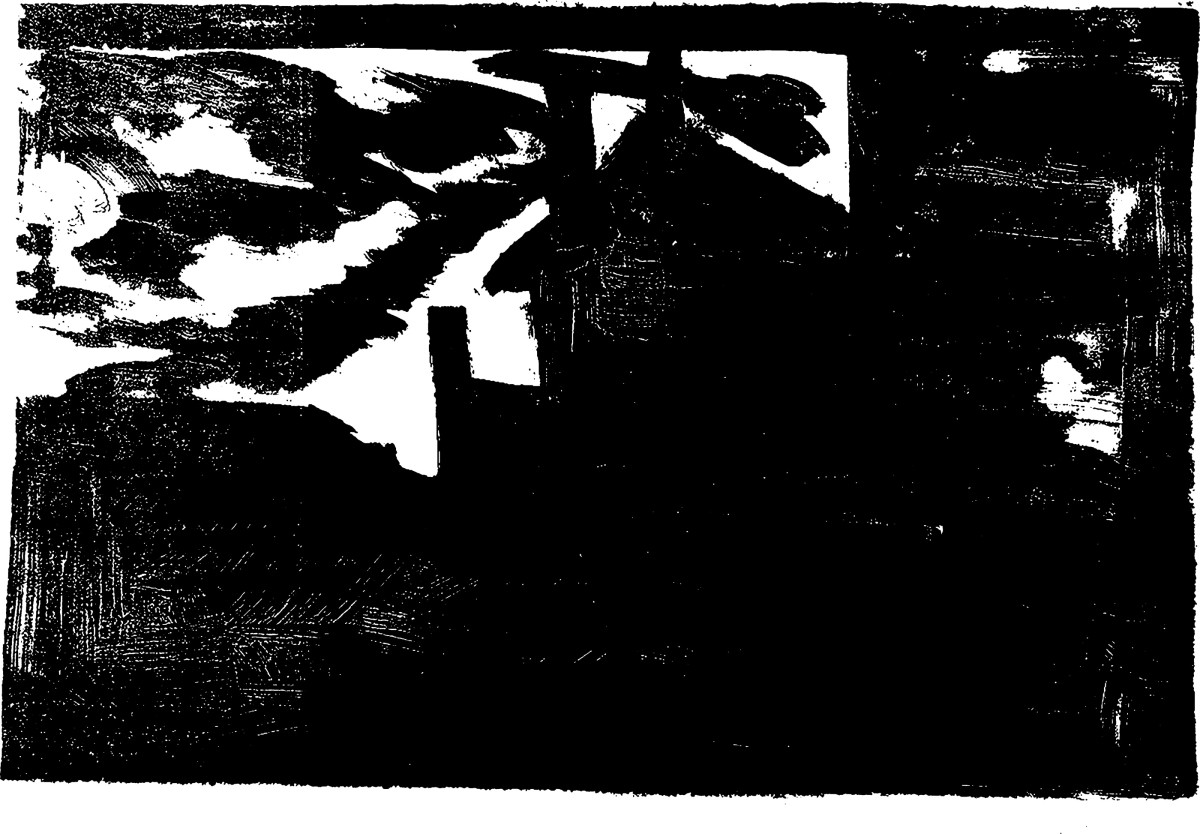
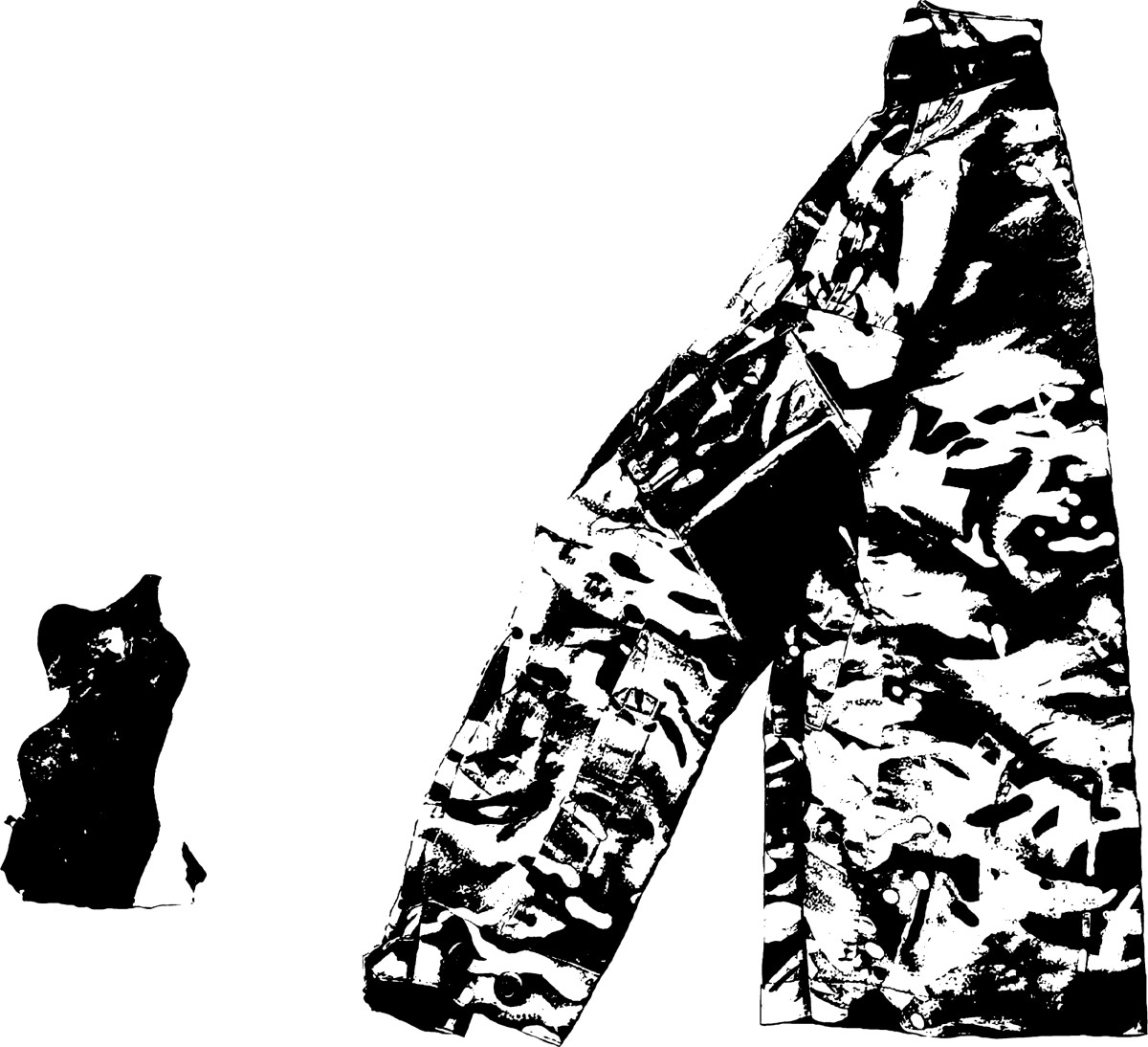
Diese Arbeit begreift kollektives Gedächtnis nicht als Bewahrung oder Rekonstruktion, sondern als Raum eines radikalen Bruchs – traumatisch, lebendig, widerständig. Sie berührt das Verdrängte, das sich dem Narrativ entzieht. Im Zentrum stehen drei Ereignisse des Krieges: der Terroranschlag in Oleniwka, die Belagerung von Mariupol und Asowstal – Verdichtungspunkte kollektiven Schmerzes und einer Identität im Zustand permanenter Bedrohung. Die Arbeit zeigt materielle Spuren des Krieges – Dinge, die nicht abstrahiert wurden. Sie behalten Präsenz und verhindern Distanz. Sprache wirkt hier als weitere Gewalt: nicht Interpretation, sondern Kraft, die Propaganda reproduziert, demobilisiert, Sinn zersetzt. Die Geste formuliert keine Position, sondern stellt Repräsentation selbst infrage. Erinnerung ist hier kein Ergebnis, sondern ein unendlicher Prozess der Rückkehr zu etwas, das keine endgültige Form hat.
This work explores collective memory not as preservation or reconstruction, but as a space of radical rupture — traumatic, unbearably alive, resistant to fixation. It touches the repressed, that which escapes narrative and resists completion. At its core are three events of the war: the terrorist attack in Olenivka, the siege of Mariupol, and Azovstal — points where collective pain condenses, shaping an identity formed under constant threat. The work engages with the material traces of war — things that have not been abstracted or turned into symbols. They retain their real presence and collapse the distance between object and viewer. Language acts as another form of violence: not interpretation, but a force that reproduces propaganda, demobilizes, and dissolves meaning. This gesture does not assert a position but questions the very possibility of representation. Memory here is not a result, but an endless process of returning to something that has no final form.